Our Blog

Don't brush after EVERY meal!

January 18th, 2017

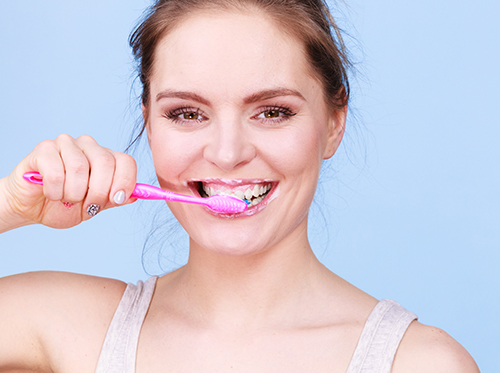
This may come as a surprise, but brushing your teeth right after a meal can be one of the worst things you can do for your healthy teeth. A toothbrush can be considered an assault weapon against your smile if used immediately after eating certain foods.

Enamel is like the tooth’s shield. It is a hard mineral exterior on each of your teeth. In reality, enamel is the hardest part of the human body—even stronger than bone! I like to regard it as a “super-structure.” But every superhero has a weakness, and enamel’s kryptonite is acid.

A healthy tooth lives in a mouth that has a proper pH balance. When that balance tips from alkaline to acidic, a harmful process called demineralization begins. Demineralization occurs when acids attack and soften the tooth surface. Pores and fissures form and harmful bacteria move in.

With each bite of food or drink, our mouth pH fluctuates. Highly acidic foods tip the balance of your mouth from a healthy alkaline to a dangerous acid. Here are some examples of those sources of acid: citrus fruits, soda, and sugary foods. There are certainly many others, but these are the most common.

So how does brushing your teeth immediately after a meal make this process even worse?

After eating highly acidic foods, your teeth are susceptible to damage. When you brush your teeth in this weakened state you are actually damaging your enamel. The abrasive bristles of the brush wear away the protective surface of the teeth. You should avoid brushing for at least an hour, or take other, simple preventive measures immediately following a meal.

First, rinse with or drink clear water. Then chew some sugarless gum. Both of these practices will produce saliva, restore a healthy pH level in your mouth, and coat your teeth with nourishing minerals. Out of all the sugarless gums available, the best of the best are those that list xylitol as the first ingredient. Another option is to consume cheese, milk, or another non-acidic food or drink to conclude your meal.

After you have given your mouth time to return to a healthy pH, feel free to brush your teeth. Just keep in mind that any time you eat acidic foods, you weaken your teeth. Make sure not to worsen the problem by brushing immediately after dining and damaging your teeth even more. Questions? Call us at Nalin Orthodontics.

Don't brush after EVERY meal!

January 18th, 2017

This may come as a surprise, but brushing your teeth right after a meal can be one of the worst things you can do for your healthy teeth. A toothbrush can be considered an assault weapon against your smile if used immediately after eating certain foods.

Enamel is like the tooth’s shield. It is a hard mineral exterior on each of your teeth. In reality, enamel is the hardest part of the human body—even stronger than bone! I like to regard it as a “super-structure.” But every superhero has a weakness, and enamel’s kryptonite is acid.

A healthy tooth lives in a mouth that has a proper pH balance. When that balance tips from alkaline to acidic, a harmful process called demineralization begins. Demineralization occurs when acids attack and soften the tooth surface. Pores and fissures form and harmful bacteria move in.

With each bite of food or drink, our mouth pH fluctuates. Highly acidic foods tip the balance of your mouth from a healthy alkaline to a dangerous acid. Here are some examples of those sources of acid: citrus fruits, soda, and sugary foods. There are certainly many others, but these are the most common.

So how does brushing your teeth immediately after a meal make this process even worse?

After eating highly acidic foods, your teeth are susceptible to damage. When you brush your teeth in this weakened state you are actually damaging your enamel. The abrasive bristles of the brush wear away the protective surface of the teeth. You should avoid brushing for at least an hour, or take other, simple preventive measures immediately following a meal.

First, rinse with or drink clear water. Then chew some sugarless gum. Both of these practices will produce saliva, restore a healthy pH level in your mouth, and coat your teeth with nourishing minerals. Out of all the sugarless gums available, the best of the best are those that list xylitol as the first ingredient. Another option is to consume cheese, milk, or another non-acidic food or drink to conclude your meal.

After you have given your mouth time to return to a healthy pH, feel free to brush your teeth. Just keep in mind that any time you eat acidic foods, you weaken your teeth. Make sure not to worsen the problem by brushing immediately after dining and damaging your teeth even more. Questions? Call us at Nalin Orthodontics.

What should we blog about?

January 11th, 2017

As a patient at Nalin Orthodontics, your opinion matters! Dr. Andrew Nalin and our team love hearing what our patients think about our practice and the services we provide, and now we want to know, what do you think we should blog about?

Perhaps there’s a treatment you’ve always wanted to know about, or you’d like to learn about a specific way to improve your health and smile. Whatever your idea, we’d love to hear about it! You can let us know by posting here or on our Facebook page!

Top Five Best Foods for Oral Health

January 4th, 2017

Some foods are just terrible for your teeth — think cookies and candy bars — but there are certain foods that are beneficial to your oral health. Below, Dr. Andrew Nalin and our team have covered five of the top foods to keep your teeth and gums healthy!

1. Crispy, low-acid fruits and vegetables: Fruits like apples and vegetables such as carrots and celery act like “natural toothbrushes,” helping to clear plaque from your teeth and freshen your breath.

2. Kiwis: These little green superstars are packed with vitamin C which is essential for gum health. The collagen in your gums is strengthened when you consume foods that are high in vitamin C, like kiwis, thus helping to prevent periodontal problems.

3. Raw onions: Onions have long been studied for their antimicrobial, antibacterial, and antioxidant properties. Proliferation of bacteria is what leads to tooth decay and cavities. By including raw onions in your diet, you'll be doing your part to wipe out those little microbes before they can multiply!

4. Shiitake Mushrooms: A specific compound in shiitake mushrooms, lentinan, has been shown to have antibacterial properties that target the microbes that cause cavities while leaving other beneficial bacteria alone. It may also help prevent gingivitis, or inflammation of the gums.

5. Green Tea: Often lauded for its high antioxidant content and many health benefits, it turns out green tea also benefits your oral health! A Japanese study found men who drank green tea on a regular basis had a lower occurrence of periodontal disease compared to men who drank green tea infrequently. It's believed this is due to the catechins in green tea, a type of flavonoid that may help protect you from free radical damage, but more research needs to be done. Either way, drink up for your overall health, as well as your teeth!

If you have any questions about your oral health, or are looking for even more oral health tips, contact our Mount Vernon, WA office!