February 10th, 2016

Did you know the actions leading to the beginnings of Valentine's Day were actually centered on the avoidance of war? A Catholic priest named Valentine defied the orders of the Emperor Claudius II and secretly married young men and their brides after the emperor had declared it illegal because only single, young men could be sent to war. Rather than lose potential soldiers to fight his war, Claudius attempted to hoard them by proclaiming marriage illegal.
Valentine continued to marry young couples anyway and, eventually, was put to death for it in 270 AD. Before his death, he sent a letter to a secret love and signed it “From your Valentine”. Nearly 1,800 years later, people are still signing letters and cards in this manner. This year, carry on the tradition started long ago, while adding your own twist. Here are a few suggestions.
Simple and Creative Valentine's Day Ideas
- Memorialize it with a Photo. Couples often have photos taken around Christmas, but Valentine's Day photos allow you to capitalize on romance. Famous couple Julia Child and her husband, Paul, had their picture taken together every Valentine's Day and included their sense of humor with silly props.
- Return to Your First Date Location. Even if your first date together was at a local hotdog stand, its sentimental value can make it a fun part of your Valentine's Day agenda. Be creative and make a treasure hunt with clues that lead your partner to the original date location, where you can express your love with flowers or a gift.
- “From Your Valentine” Messages. Deliver your message in a creative way to make this Valentine's Day stand out from the others. Bake your partner's favorite treat and write a message on it with a tube of icing, or draw a note on the steamed up mirror so it shows up when your partner takes a shower.
Although Valentine's Day is a day to celebrate love, it doesn't have to be a special day only for couples. If you're single, use this special day to shower yourself with love, because you're worth it! After all, the priest Valentine believed so strongly in the sanctity of love that he was willing to risk his life for it. Whether you're in a relationship or single, young or old, romantic or not, Valentine's Day is for you. Happy Valentine’s Day from the orthodontic office of Dr. Andrew Nalin.
February 3rd, 2016
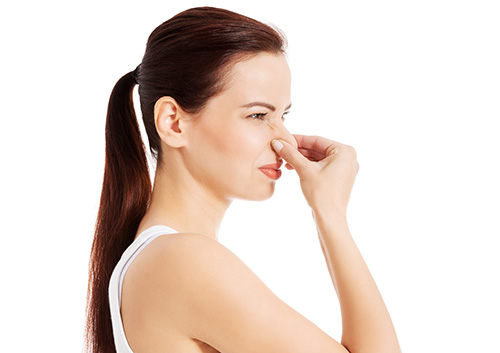
Halitosis is the fancy, scientific word for “bad breath.” Dr. Andrew Nalin and our team know there are several reasons why you may have halitosis; let’s look at a few:
- Gum disease (also known as periodontal disease) – There are five main types of gum disease, and each one can range from mild to severe. For example the most common one is gingivitis; it is caused by bacteria in the plaque that has been allowed to build up, usually as a result of poor oral hygiene. A more serious and uncommon type of gum disease is called necrotizing periodontal disease. It is most common in people who have a suppressed immune system.
- Smoking
- Dry Mouth – This can be caused by something as simple as a medication you take.
- Food – Of course, if you eat something that is potent like garlic, it is going to give you bad breath.
- Diseases of the Body – Some diseases such as sinus infections and diabetes, among a few other types of infections, can also cause you to have halitosis.
How to Get Rid of Halitosis
The most obvious answer to how to get rid of halitosis is to practice good oral hygiene, although, depending on the cause of halitosis it may not be that simple. If you have an infection that is causing the halitosis then you may need an antibiotic to clear up the infection and then the bad breath will go away. Here are more tips:
- Brush your teeth after every meal and before bed.
- Floss your teeth. The more plaque you get out of your teeth, the better chance you have of not getting cavities or bad breath.
- Address any medical conditions that are not related to your teeth that can be causing the halitosis.
- Ask Dr. Andrew Nalin for a prescription mouthwash that kills bacteria.
Halitosis (bad breath) can be an embarrassing condition to live with, but there are plenty of ways to get rid of it permanently. Start by talking to a member of our team at our Mount Vernon, WA office.
January 27th, 2016
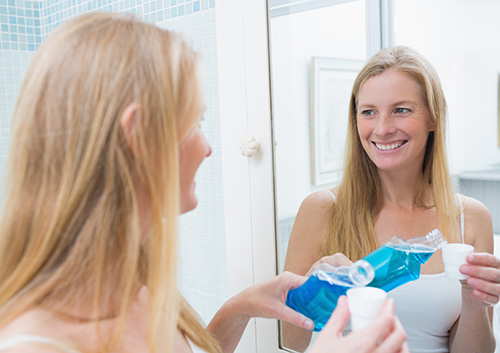
While mouthwash goes a long way in improving your oral care, it is not a substitute for flossing. Mouthwashes and flossing provide different benefits that you should understand.
Mouthwash Benefits
Mouthwash comes in two categories. Some are considered cosmetic. This type of rinse provides temporary relief from bad breath and has a pleasant taste. These do not actually kill any bacteria.
Therapeutic mouthwashes provide the healthier benefits. These may contain different ingredients including fluoride or antimicrobial agents. This type is used to remove plaque buildup and reduce the potential for calculus formation. Therapeutic rinses can also help prevent cavities, bad breath, and gingivitis. In addition, Dr. Andrew Nalin can prescribe special rinses to assist patients after periodontal surgery or other procedures.
Flossing Benefits
Flossing is what removes the plaque formation before it can harden and become calculus. While a rinse reduces buildup, only flossing will fully remove plaque, especially between teeth. The bristles on a toothbrush do not get between teeth completely. If plaque is not removed, it hardens into tartar or calculus. When this builds below the gum line, gum disease can start.
Types of Floss
Floss is available in a thin string form or a tape. It can be waxed or unwaxed. If you find flossing difficult, you might want to try a different type of floss. You can buy bulk floss in containers or purchase the disposable type with a plastic handle attached. This style can be easier for many individuals to use. Interdental picks are available for bridgework or other situations where regular floss cannot be used.
If you have questions regarding the best mouthwash or floss, or need tips for easier flossing, please ask our Mount Vernon, WA team for advice. We will be glad to give you solutions to help keep your mouth clean and healthy.
January 20th, 2016

You’ve taken the first step toward a healthier and more beautiful appearance by getting braces at Nalin Orthodontics, and you’re probably wondering what comes next. The first week is the period of biggest adjustment, and there’s a lot to learn in this short time. Don’t worry; in a few short days your braces will feel completely natural.
The first week
On the first day, your braces will probably feel very odd in your mouth; it will take time to get used to them. By the second day, you may feel some soreness or pain. If you are going to experience any pain, the second and third days are when it will happen. Most pain can be dealt with by taking an over-the-counter pain reliever, such as Tylenol.
What about sore spots?
Your cheeks and tongue are getting used to your new braces, just like your teeth are. You may develop sore spots where this soft tissue rubs against the harsh metal of your braces. The best way to avoid this and allow your mouth to heal is by covering the metal spot with orthodontic wax. Break off a small piece and roll it into a ball in your hands. Dry the metal of the braces with a cotton swab, then wrap the wax around the sharp spot to create a cushion.
What if they break?
Braces are held onto your teeth with special orthodontic glue. Once in a great while, part of your appliance may come loose from the surface of a tooth. This won’t harm anything; it will just be slightly inconvenient. Call our office right away and we will be able to glue the bracket back on.
Make sure you avoid hard items such as ice, brittle, and other hard candies, and don’t open packages with your teeth. These habits can contribute to braces popping off. Even fairly innocent-sounding items like popcorn or French bread can be a culprit, so avoid eating any hard foods, or cut them up into small pieces before consuming.
If you have questions about which foods to eat and avoid, or if your braces are more sore than expected, feel free to contact our Mount Vernon, WA office and ask Dr. Andrew Nalin and our team. We’re more than happy to help!

 Website Powered by Sesame 24-7™